


A keto meal replacement shake is a low-carb, high-fat shake that stands in for a full meal while keeping the body in ketosis, usually made by blending a protein powder base, sometimes with an added fat source like cream, butter, or oil.
Some mornings I don't have 10 minutes to spare, let alone 30. On those days, a keto meal replacement shake is what gets me out the door. Not a protein shake. A good keto meal shake is nutritionally complete, thick enough to actually feel like a meal, and doesn't taste like chalk mixed with water.
This post may contain affiliate links.
Want to Save This?
I've gone through more tubs and canisters of keto shakes than I can count over the years running this blog, and most of them fall apart on one thing or another: too thin, too sweet, or missing the fat that actually keeps you full until lunch. If you're newer to eating this way, start with my guide on how to start a keto lifestyle, since knowing your own macros first makes picking a shake a lot easier.
Below, I share share my favorite keto meal shake, exactly how to make it, what makes a shake keto-friendly, and compare a few other keto meal replacement shakes. I hope this saves you some of the trial and error I went through to find mine!
What Makes a Shake Actually Keto-Friendly
A keto-friendly shake runs roughly 70% fat, 25% protein, and 5% carbs, and uses a sugar substitute instead of added sugar.
Not every shake labeled "keto" holds up under a real macro check. The ratio to look for is roughly 70% fat, 25% protein, and 5% carbs. Protein matters, but more isn't automatically better here. Extra protein can convert to glucose in the body, which is enough to knock some people out of ketosis. So a shake marketed as "high protein" isn't automatically the same thing as a shake that's keto-friendly.
A few things worth checking on the label before you buy:
- Sweetener. Look for erythritol, pure sucralose, stevia, allulose, or a sugar alcohol blend instead of cane sugar or maltodextrin.
- Fat source. Some shakes come pre-mixed with fat already in the powder. Others leave it up to you to add your own, which means you can dial the macros in to exactly what you need that day.
- Fillers. Skip anything padded out with soy protein isolate or added starches just to bulk up the powder.
My Top Pick: Keto Chow
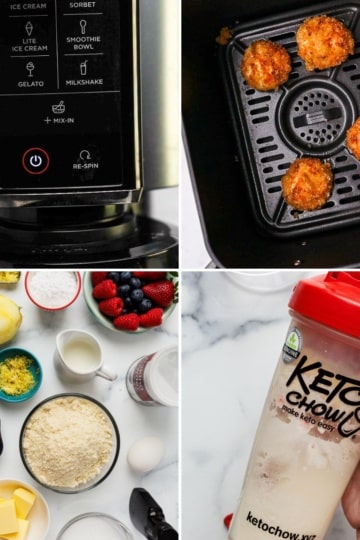
Keto Chow is complete meal keto shake mix. When mixed with water and the fat of your choice it serves up everything you need to keep your body in ketosis: vitamins, minerals, electrolytes, protein, fiber, and more. Plus, you can bake/cook with it.

After trying more shakes than I'd like to admit, Keto Chow is the one that's stayed in my pantry the longest. It's a milk protein isolate base blended with xanthan gum and acacia fiber for that thick, milkshake-style texture, and you choose your own fat, so it fits whatever your macros need that day.
- It's nutritionally complete, not just protein. Each shake covers ⅓ of your daily vitamins and minerals, so it works as an actual meal instead of a snack standing in for one.
- You control the fat. Add heavy cream, melted butter, or avocado oil depending on how much fat and how many calories you need that day.
- It holds up in the fridge up to 7 days. Mix a batch ahead of time and let it sit overnight. Keto Chow actually tastes better the next day once the flavor has had time to set in.
- The texture is thick, not chalky. The xanthan gum and acacia fiber are doing that work. Plus it's added fiber!
Here's what you'll need to make a Keto Chow shake:
- Keto Chow, one packet or scoop. This is the protein and nutrient base. Chocolate and vanilla work well for a sweet shake, and the savory flavors work more like a soup.
- A fat source of your choice. Heavy cream, melted butter, or avocado oil all work here. This is where you'll dial in your macros for the day.
- Water. Room temperature or slightly warm water blends smoother than water straight from the fridge.
- Ice, optional. Blend in a handful at the end if you want it closer to a milkshake.
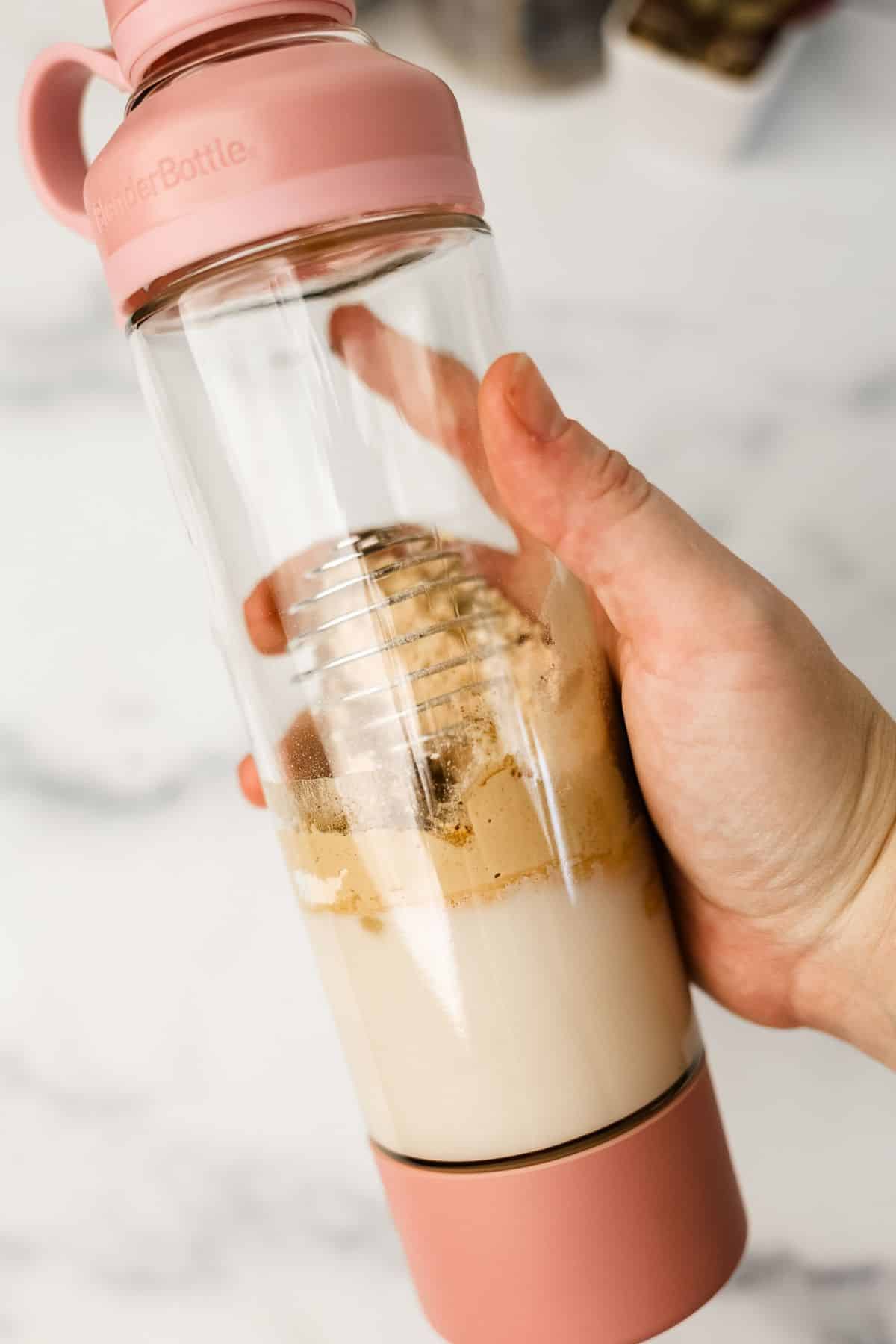
- Blender bottle, or immersion blender. You need something for it to go in!
How to make a perfect Keto Chow Shake every time with a Blender bottle:
This comes together in under 5 minutes:
- Fill a measuring cup with 14 ounces of filtered water. Microwave exactly 30 seconds to bring to room temperature.
- Pour water into Blender bottle.
- Add Keto Chow.
- Add fat. If butter, melt in microwave first. If heavy cream, make sure it's not too cold. Tip: Avocado oil is the easiest to mix.
- Add spring and push down into liquid.
- Add lid. Make sure lid and top are secure, or you'll be really sad.
- Shake for 60 (SIX-TY) seconds vigorously. It's like a bonus mini workout.
- Enjoy. Or, let it sit in the fridge for about 30 minutes first.
Shortcut method: add everything to a blender bottle and use an immersion blender.
Other method: mess it up, enjoy the chunks, they are like a little dessert.
Other Keto Meal Replacement Shakes Worth Trying
A few other keto-friendly shakes worth comparing include HLTH Code, Perfect Keto, Ketologic KetoMeal, and SlimFast Keto.
Keto Chow is the one I keep going back to, but it's not the only keto-friendly option out there. Here's how a few others compare if you're still figuring out what works for you.
| Shake | Protein Source | Fat | Best For |
| HLTH Code | Whey and egg white protein (plant-based version also sold) | Pre-mixed, 1:1 fat-to-protein ratio | If you want a higher-protein shake with gut-health extras like probiotics |
| Keto Science | Egg, milk, and collagen blend | Pre-mixed with MCT oil | If you want to pick one up at Walmart. |
| Ketologic KetoMeal | Grass-fed whey protein | Pre-mixed to a 70:30 fat-to-protein ratio | If you don't want to measure out your own fat source |
| SlimFast Keto | Whey protein with collagen | Pre-mixed, includes grass-fed butter or MCT oil depending on flavor | If you'd rather grab a shake off a store shelf, but might have some questionable ingredients |
Each of these behaves a little differently in the body depending on your own macros and what tends to knock you out of ketosis, so it's worth checking the nutrition label against your own numbers before you commit to a brand.
FAQ
Answers cover whether keto shakes actually keep you in ketosis, how to improve the texture, and whether you can drink one every day.
Yes, as long as the macros work out to roughly 70% fat, 25% protein, and 5% carbs. Extra protein is the most common thing that knocks people out of ketosis with these shakes, so check the label rather than assuming "keto" on the front means it fits your numbers.
Yes. Keto Chow is formulated to be nutritionally complete, so it can stand in for a meal daily without you missing key nutrients. That said, I still eat regular keto meals most days and treat shakes as backup for the days I genuinely don't have time to cook. Chris Bair, the creator and owner of Keto Chow, conducted a 100 day experiment where he drank only Keto Chow.
On the keto diet, if you don't get enough salt, it will leave you with an electrolyte deficiency commonly referred to as "keto flu." Unless you have a rare, specific medical condition, the sodium in keto meal shakes will not negatively affect you.
1. Fill a measuring cup with 14 ounces of filtered water. Microwave exactly 30 seconds to bring to room temperature.
2. Pour water into Blender bottle.
3. Add Keto Chow.
4. Add fat. If butter, melt in microwave first. If heavy cream, make sure it's not too cold. Tip: Avocado oil is the easiest to mix.
5. Add spring and push down into liquid.
6. Add lid. Make sure lid and top are secure, or you'll be really sad.
7. Shake for 60 (SIX-TY) seconds vigorously. It's like a bonus mini workout.
8. Enjoy. Or, let it sit in the fridge for about 30 minutes first.
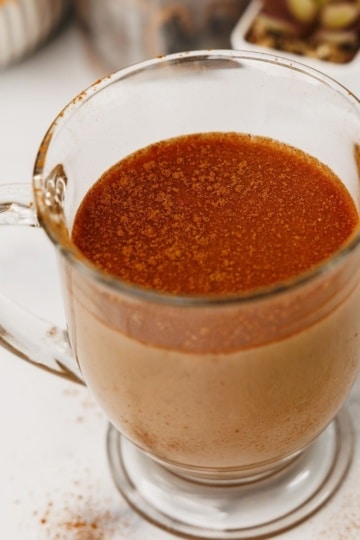
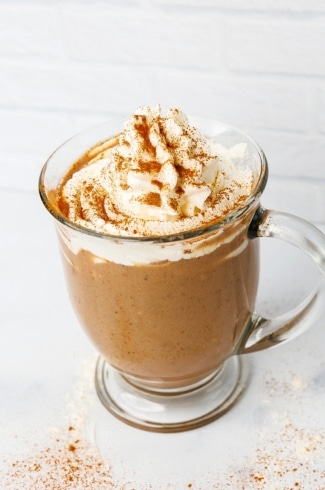
Chill it in the fridge overnight before drinking, and blend in a handful of ice right before you drink it. The fat source you pick also changes the texture. Heavy cream gives the richest, most milkshake-like result.

Karen says
I was disappointed to see the keto chow is way high in sodium 😞
Leaves out people who are on low to no sodium diets ie: not heart healthy
Olivia Wyles says
Hi Karen, while you should always talk to your doctor before beginning a new diet or supplement (since everyone is different and there could be a medical reason), there is a lot of misinformation out there about salt. Keto Chow actually compiled all the scientific articles to support the amount of sodium in their shakes. https://info.ketochow.xyz/blog/salt-and-your-health. Sodium is an essential micronutrient for the body to function, especially on keto to avoid keto flu. We need those salt just like we need magnesium, potassium, etc. This quote from Diet Doctor's site was particularly interesting to me:
"After an exhaustive search of the medical literature, the IOM made several major conclusions. Although low salt diets could lower blood pressure, “Existing evidence, however, does not support either a positive or negative effect of lowering sodium intake to <2300 mg/d in terms of cardiovascular risk or mortality in the general population. That is, lowering the salt intake did not reduce the risk of heart attack or death. However, in heart failure, “The committee concluded that there is sufficient evidence to suggest a negative effect of low sodium intakes”. Oh my. The very patients we were most strenuously recommending to reduce their salt would be harmed the most.” https://www.dietdoctor.com/the-truth-about-salt